
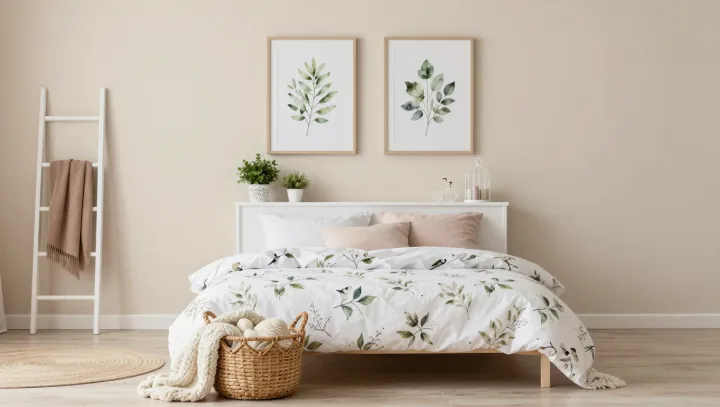
Bare walls and silent, dimmable strips are not just style for Gen Z homeowners; they are control panels. Empty floor zones cut visual load, and that low stimulus field reduces attentional capture, according to cognitive load theory, turning the living room into a buffer against constant notification churn.
Gen Z treats plants less as decor and more as hardware for the nervous system. Dense biophilic corners, backed by research on autonomic nervous system activity and cortisol secretion, give micro-rest to eyes and prefrontal cortex, so a ten-minute break on the sofa delivers something close to a managed recovery cycle instead of passive scrolling.
Most radical is the way lighting becomes a behavior script. Tunable smart bulbs, synced to circadian rhythm principles and melatonin regulation, shift from cool white for task-heavy work to warm low lux in the evening, nudging sleep pressure without a lecture. In this mix of blank space, foliage and code, the home stops being a backdrop and starts acting like a quiet, continuous intervention.