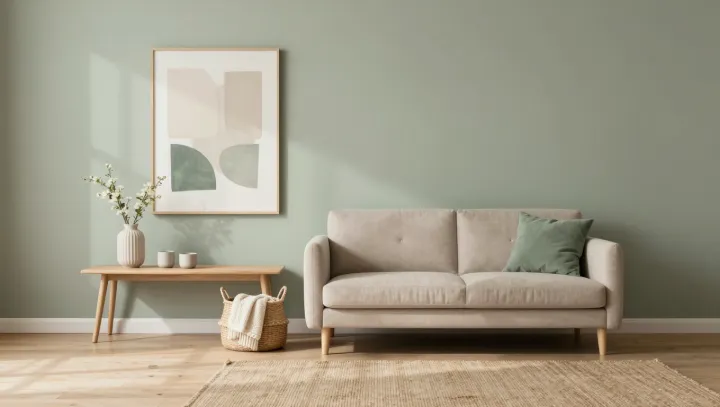
A coffee table edge sitting a little too close to a sofa can exhaust you more than a loud color scheme ever will. Shift that edge, slide a floor lamp, angle a chair, and the room’s mood flips faster than any decor tutorial can promise, because your visual system recalculates the scene in real time.
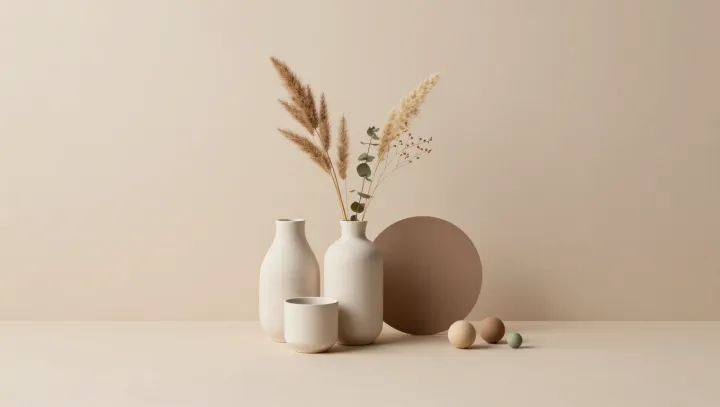
The striking part is how little needs to move. Human depth perception and figure–ground segregation depend on clear sightlines, stable focal points, and what psychologists call Gestalt grouping. When three bulky or bright objects sit in one visual cluster, the brain reads them as a single dense mass, increasing perceived crowding and even heart rate through low-grade sympathetic arousal. Spread those pieces into a loose triangle, expose more continuous floor and wall surface, and the same square footage is processed with less cortical load in the visual cortex, which your body experiences as calm.
Decor tutorials usually target style; your eyes target order. A quick micro-rearrangement acts more like a reset of sensory input than a design lesson. By redistributing contrast, clarifying a primary focal object, and opening a diagonal line of sight, you are hacking visual balance and Gestalt principles directly, using three objects as levers on how big and how restful the room feels.