
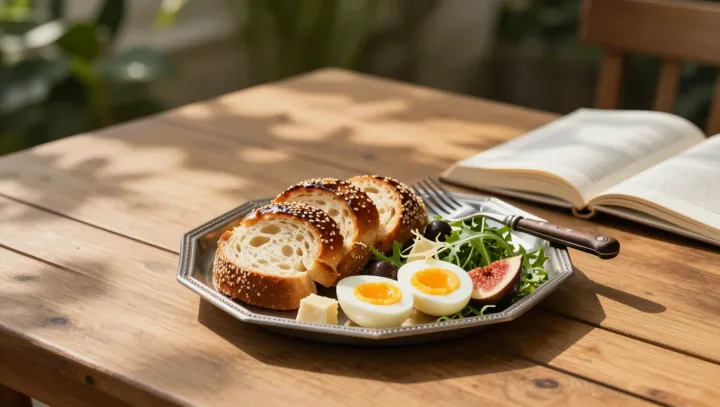
The Missing Half of Egg and Toast
Eggs and bread provide protein and energy, but fruit and leafy greens add dietary fiber and micronutrients that broaden the meal's nutritional value.
2026-09-29
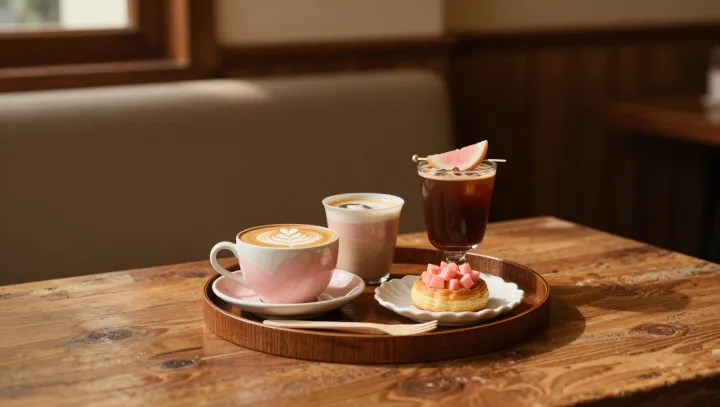
Why Coffee and Dessert Work Together
Sweetness can soften perceived coffee bitterness, while shared aromas help coffee and dessert reveal more flavor in each other.
2026-09-29
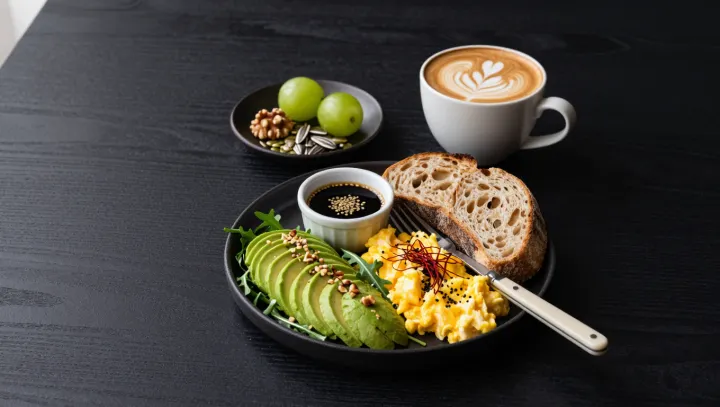
Why Avocado Toast Keeps You Full
Fat, protein, and fiber slow digestion and strengthen satiety signals, making avocado toast with eggs more filling than a quick-hit sugary breakfast.
2026-09-29
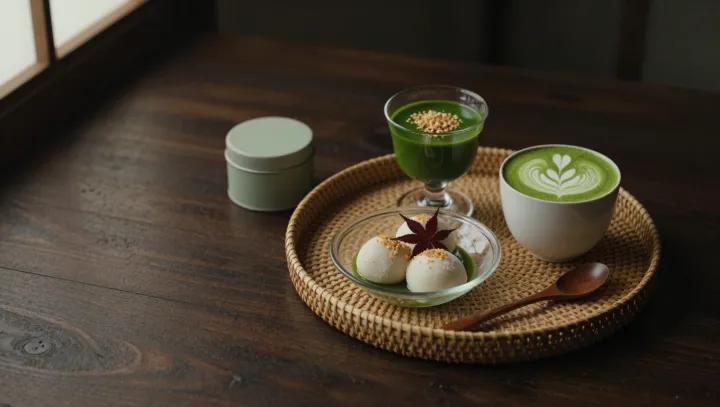
Why Matcha Desserts Taste Creamy
Finely ground matcha delivers chlorophyll, catechins, caffeine, and L-theanine together, while dessert fats soften bitterness and create its distinctive creamy contrast.
2026-09-29
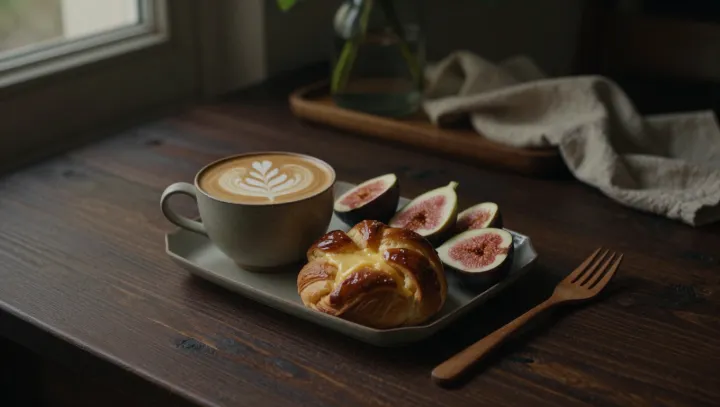
Figs and the Heat Logic of Flavor
Figs pair naturally with coffee and baked goods because their sugars, acidity, and jammy texture echo the flavor chemistry created by roasting and baking.
2026-09-28
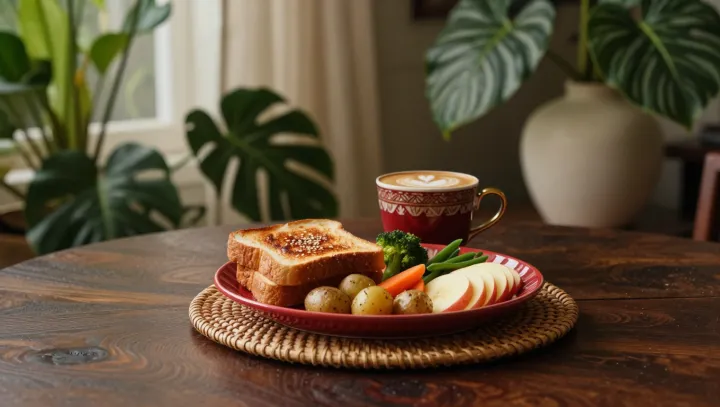
Pairing, Not a Bigger Breakfast
A balanced breakfast depends less on quantity than on pairing carbohydrates with vegetables and fruit for steadier energy, fiber, satiety, and broader nutrient intake.
2026-09-28
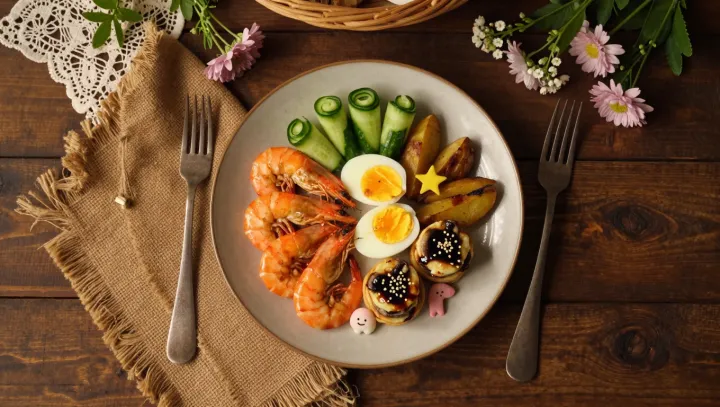
Breakfast Needs a Crisp Correction
Cucumbers and lettuce can add water, fiber, and meal volume to breakfast with few calories, helping build a more filling plate when paired with protein-rich foods.
2026-09-28
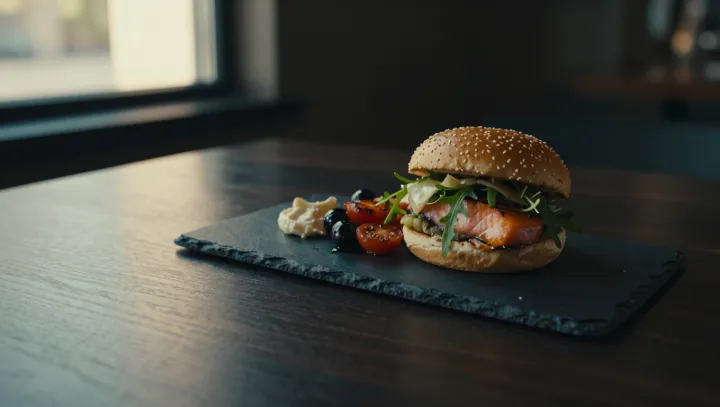
Why Salmon, Fruit, and Vegetables Satisfy
Smoked salmon, vegetables, and fruit can feel filling without heaviness because protein and fat slow gastric emptying while fiber adds bulk at a low energy density.
2026-09-27
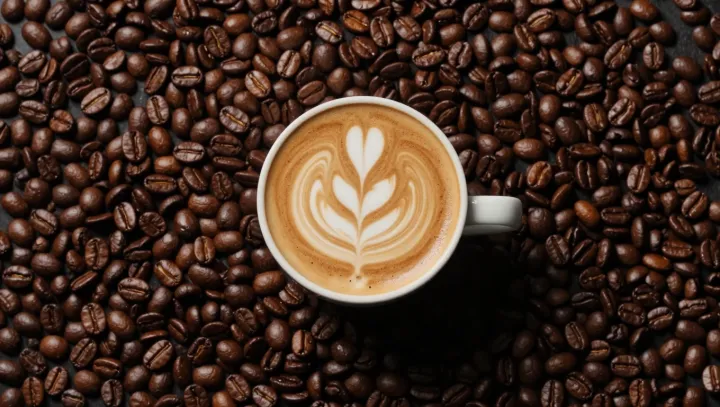
Venus Runs a Backward Clock
Venus completes an orbit before one sidereal rotation, a result of retrograde rotation, orbital motion, and an unusually slow spin.
2026-09-24
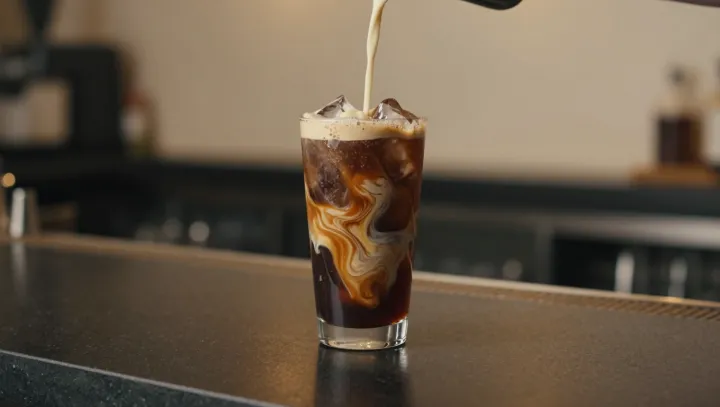
Cold Drinks May Linger Longer
Cold drinks can provide instant relief while, in some settings, slowing gastric emptying briefly. Temperature is only one factor; meal composition and stomach motility often matter more.
2026-09-24
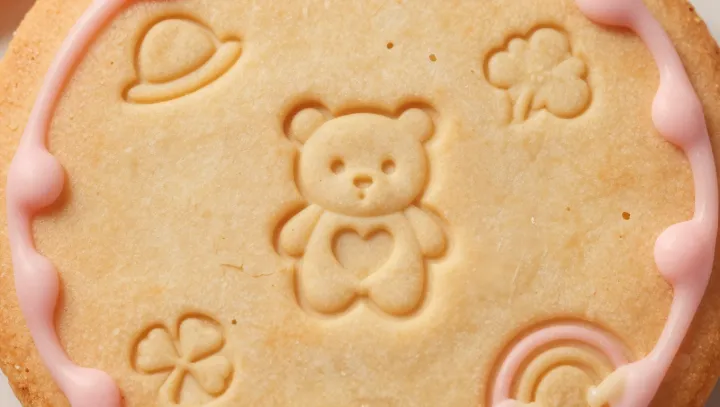
Crisp Cookies Lose Their Snap to Airborne Moisture
Sugar can absorb moisture from air, raising water activity and plasticizing a cookie's structure until its crisp bite turns soft.
2026-09-23
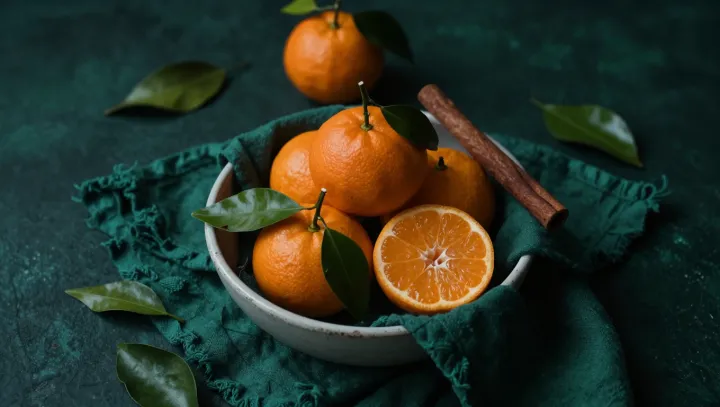
Oranges Keep Their Leaves
A staged orange still life uses attached leaves, restrained light, and surface flaws to turn market fruit into a tense study of freshness and artifice.
2026-09-23
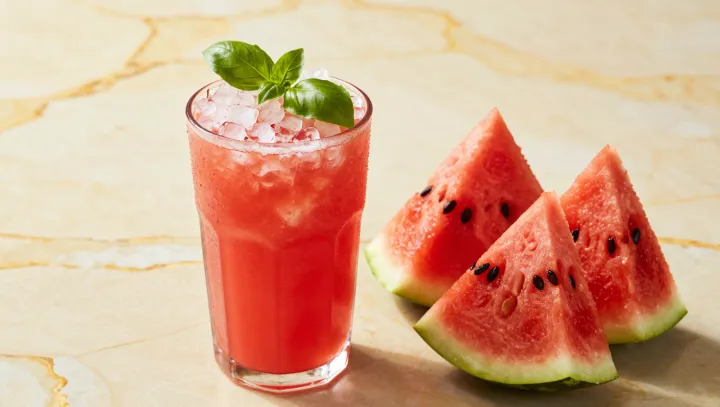
Juice Is Not Whole Fruit
Fruit juice can carry a soda-like sugar load while losing much of the fiber that slows eating, supports fullness, and moderates blood sugar response.
2026-09-23
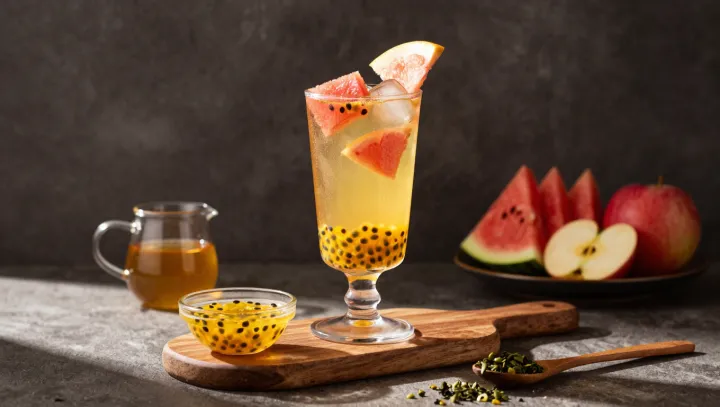
Sweet Drinks Carry a Slow Health Cost
Frequent sugary drink intake can strain metabolism, promote weight gain, and raise the risk of type 2 diabetes and heart disease through repeated sugar exposure.
2026-09-23
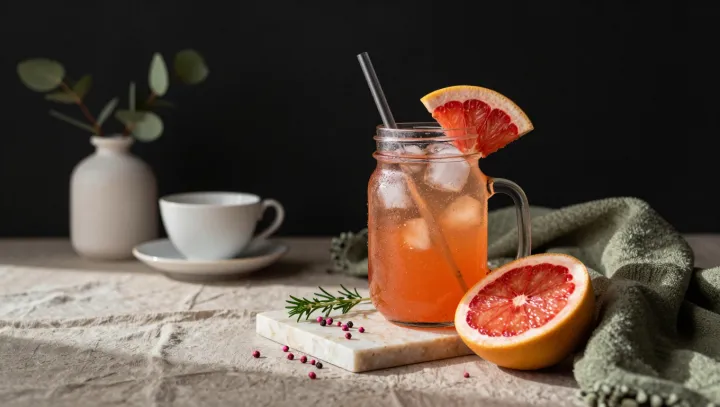
Why Blood Oranges Wait for Cold
Blood oranges turn red when cool nights activate anthocyanin biosynthesis, allowing cyanidin pigments to accumulate in vacuoles as fruit ripens.
2026-09-22
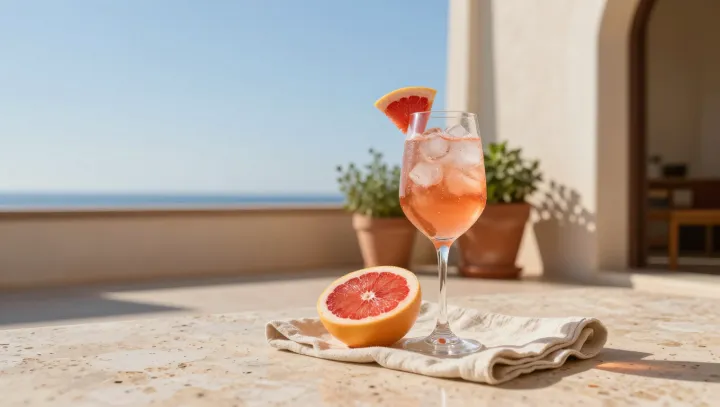
Why Grapefruit Keeps Its Bitter Edge
Grapefruit bitterness comes from naringin and limonin. Sugar masks their impact and ice dulls perception, but neither removes the compounds or their receptor activity.
2026-09-22
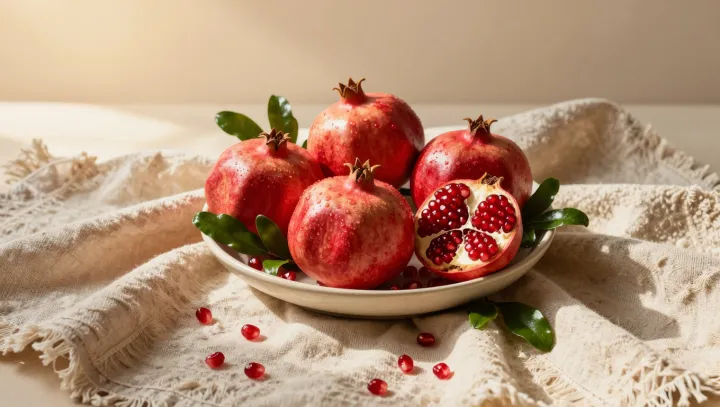
Why Pomegranates Sculpt and Sparkle
A pomegranate's firm pericarp creates a sculptural outline, while anthocyanin-rich arils scatter light like gems through pigment chemistry and plant anatomy.
2026-09-22
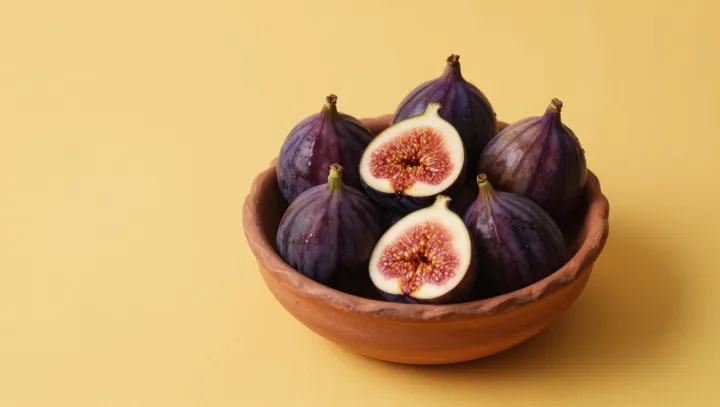
Why Yellow Makes Figs Look Brighter
Yellow heightens a fig's purple and pink-red tones through opponent processing and simultaneous contrast, making neighboring hues appear more separated and saturated.
2026-09-21
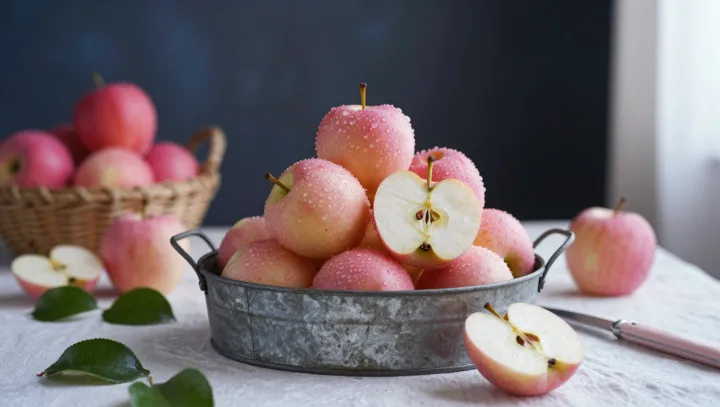
The Hidden Pressure Inside an Apple
A fresh apple's crisp texture comes from water-filled cells, turgor pressure, and taut cell walls. Moisture loss after harvest weakens that structure and leads to softness.
2026-09-21
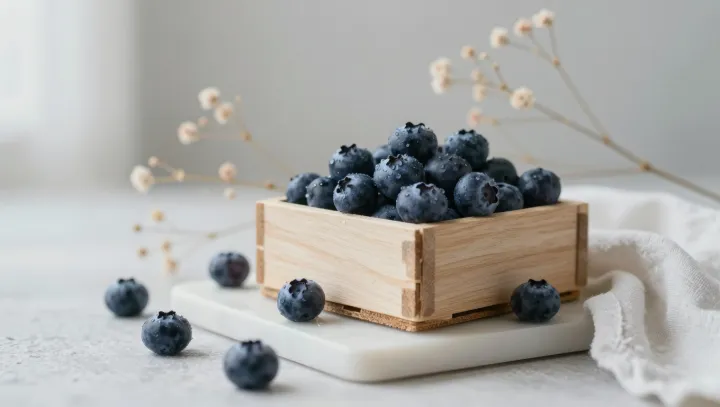
Lemon Keeps Blueberries Purple
Citric acid keeps blueberry anthocyanins in purple-friendly forms, while baking soda raises pH and shifts the pigments toward blue-green shades.
2026-09-21