
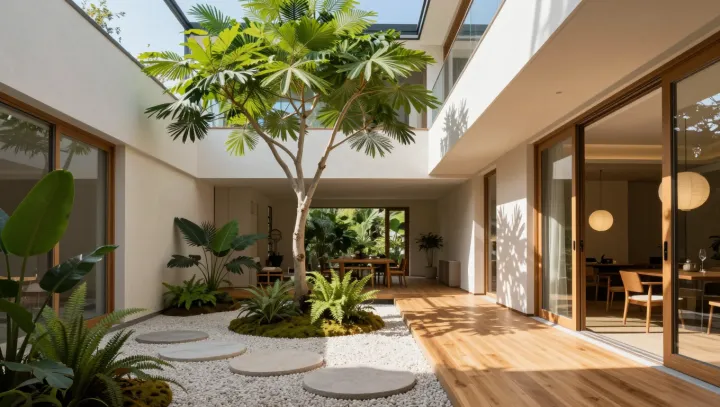
Why Courtyards Bring Trees Home
Courtyard trees do more than decorate: shade, daylight, airflow, and thermal mass can make compact homes cooler, brighter, and visually larger.
2026-09-29
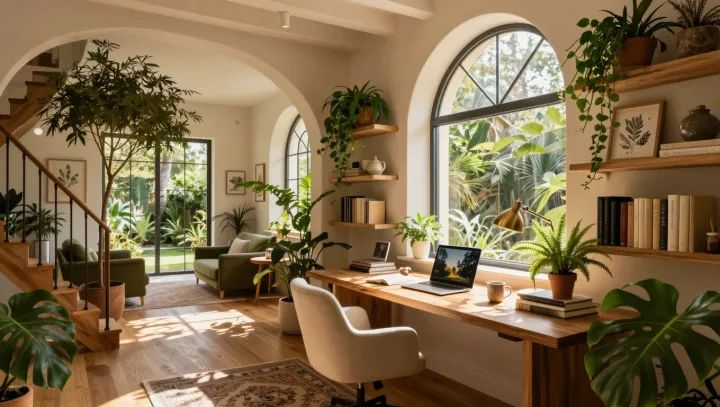
Green Views, Not Oxygen
Plants rarely alter room oxygen enough to explain their appeal, but visible greenery can support attention recovery and lower stress responses.
2026-09-29
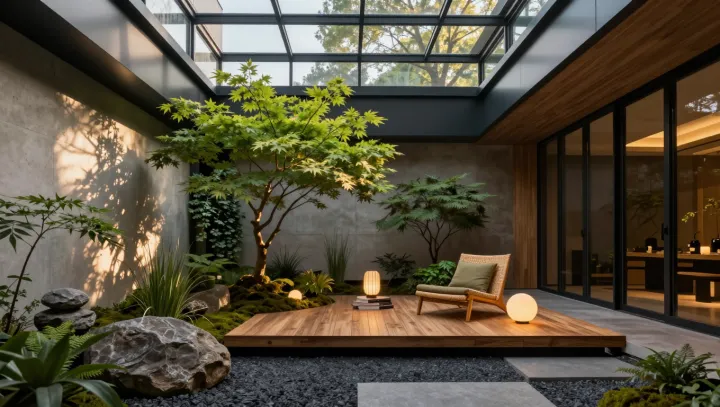
Why Small Terraces Feel Larger
Daylight, foliage, and stone calm small outdoor spaces by improving depth cues, easing attention demand, and creating stable thermal and visual anchors.
2026-09-29
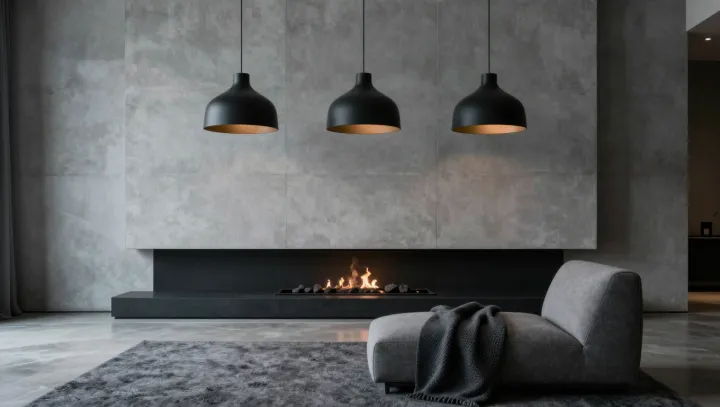
The Power of a Vacuum That Returns
A robot vacuum earns its value through repetition, removing dust before particle buildup turns routine cleaning into a large manual task.
2026-09-29

Organic Tea Still Contains Caffeine
Organic certification concerns cultivation, while caffeine is a natural tea compound that can still affect alertness. Check caffeine or decaf labeling rather than assuming.
2026-09-29
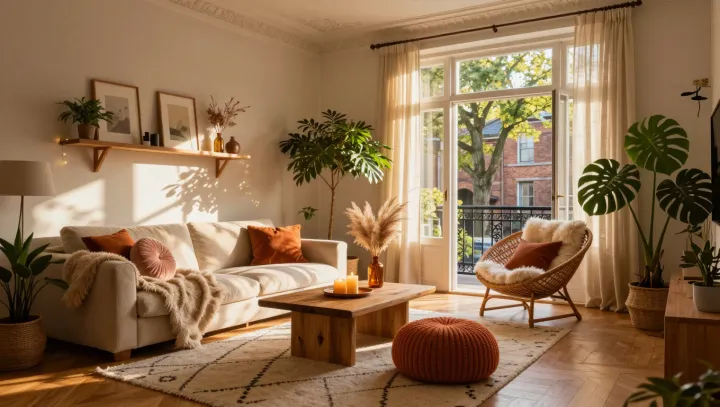
Daylight, Wood, and the Art of Calm
Soft textiles, warm wood, and controlled daylight create calm by directing sightlines and reducing visual friction, while excess display competes for attention.
2026-09-28
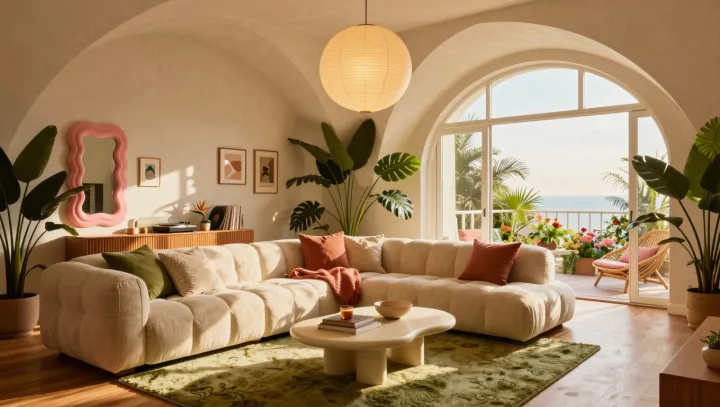
Why Warm Rooms Still Feel Cold
Warm decor fails when lighting, furnishings, and rugs send conflicting signals about hue, mass, and proportion. Visual unity, not color alone, creates comfort.
2026-09-28
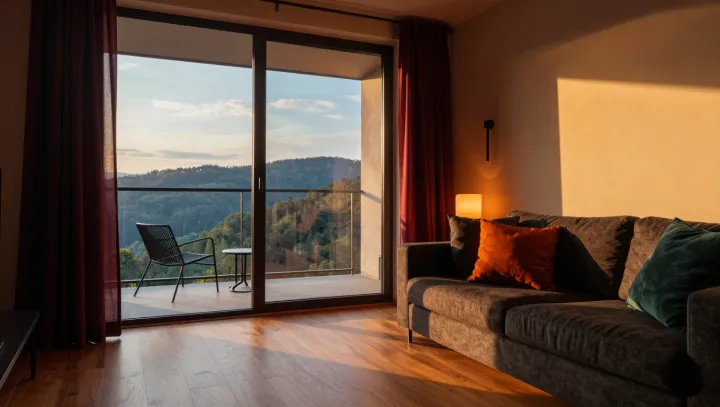
Why Warm Brown Feels More Inviting
Warm brown changes no air temperature, but visual processing, learned associations, texture, and lighting can make a room seem calmer, softer, and more sheltered.
2026-09-28
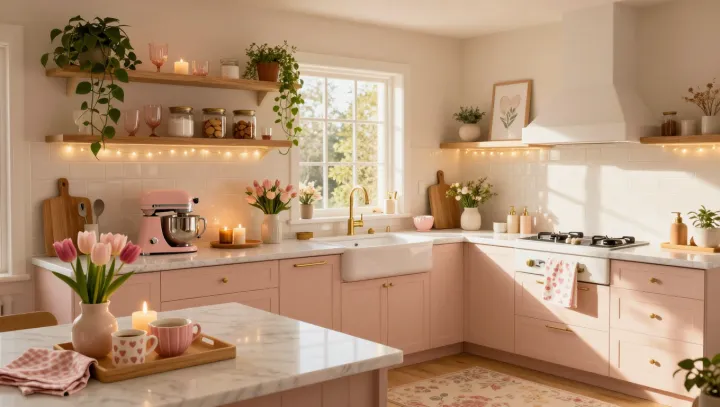
Why Pink Kitchens Feel Calmer
Pink surfaces return more warm light, while green foliage gains definition through color contrast. Together, they create visual order without making a kitchen feel sterile or crowded.
2026-09-27
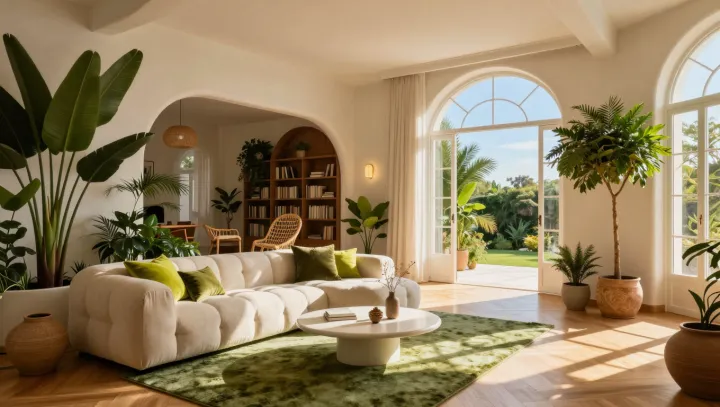
Why Glass and Greenery Signal Luxury
Large windows and dense plants create perceived space, brighter surfaces, and restorative visual cues that make modest rooms feel more costly.
2026-09-27
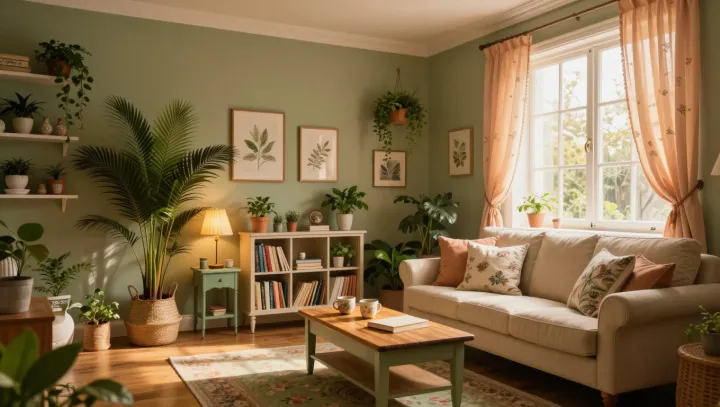
Why Fewer Plants Can Feel More Natural
A room feels more natural when daylight, wood, texture, and plants send compatible visual and biological signals; plant quantity alone can create clutter.
2026-09-24
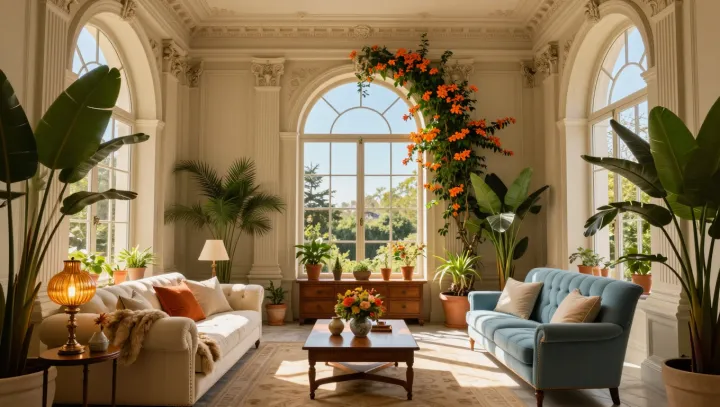
How Rooms Shrink Without Walls
Furniture, greenery, and warm lighting divide large interiors into readable, human-scale zones, making open space feel less exposed and more inhabitable.
2026-09-24
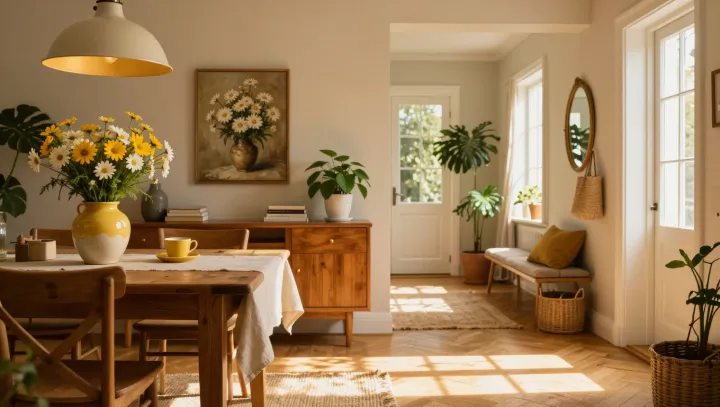
Why a Room Can Feel Warmer Without Heat
A room can feel warmer without added heat because daylight, wood, and flowers influence affective appraisal, interoception, and learned signals of shelter.
2026-09-24
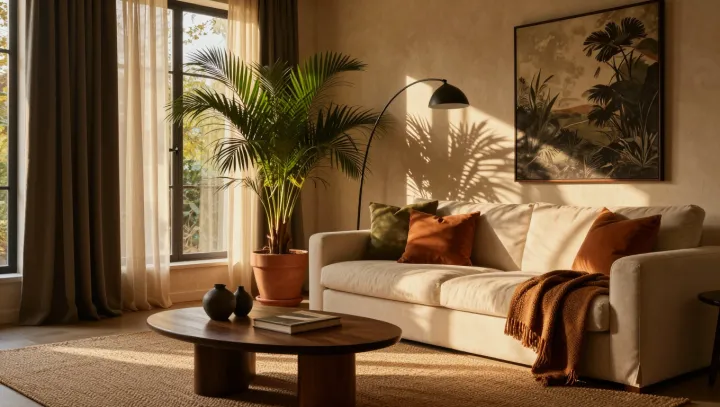
Why Cool Accents Lighten Warm Rooms
Cool textiles and green foliage alter color contrast, lightness, and visual depth, making warm wood and upholstered rooms seem lighter without replacing furniture.
2026-09-23

Chamomile Has a Chemical Case
Chamomile's apigenin can interact with GABA-A receptor sites linked to relaxation, but its effects are usually mild and evidence for sleep or anxiety relief remains mixed.
2026-09-23
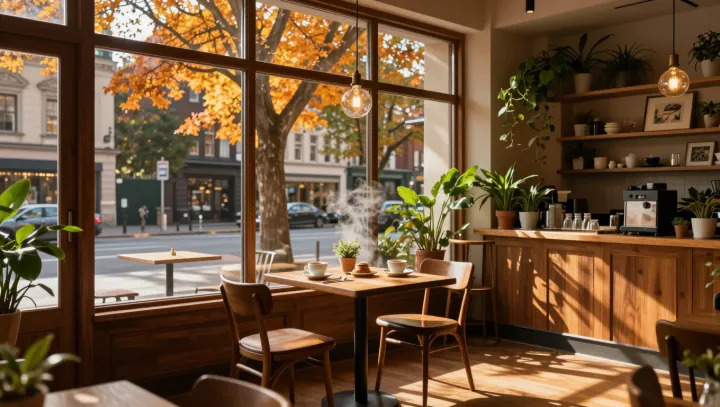
When Cafe Windows Become Seats
Floor-to-ceiling windows make a cafe seat part of the street, using daylight, visual permeability, and passing life to turn coffee breaks into public observation.
2026-09-23

Alpine Flowers Run on a Ruthless Clock
Alpine flowers survive through compressed growth, using stored energy and tightly timed reproduction during a summer that can vanish within weeks.
2026-09-22
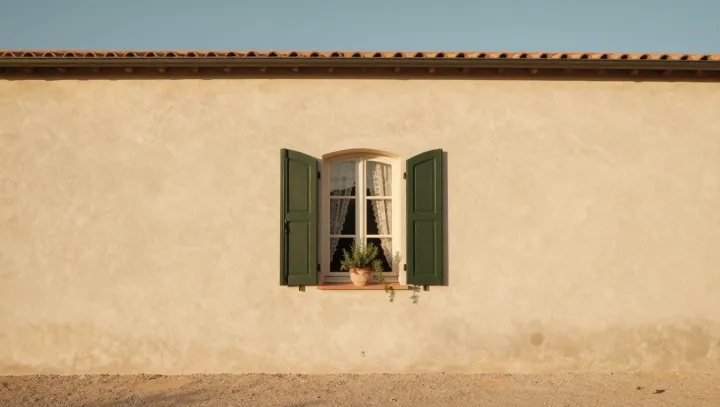
Why Arched Windows Deepen Stucco Facades
An arched window creates depth through curved shadow, occlusion, luminance gradients, and proportion, making a flat stucco facade feel softer and more inviting.
2026-09-22

Stone Walls, Shutters, and Cool Rooms
Thick masonry delays heat flow while shutters block solar gain, helping rooms remain cooler through thermal mass, ventilation, and careful timing.
2026-09-22

Why Verne Outlasts the Feed
A Jules Verne novel holds attention by demanding imagination and continuity, while a feed uses uncertain rewards and constant novelty that can weaken sustained focus.
2026-09-21