
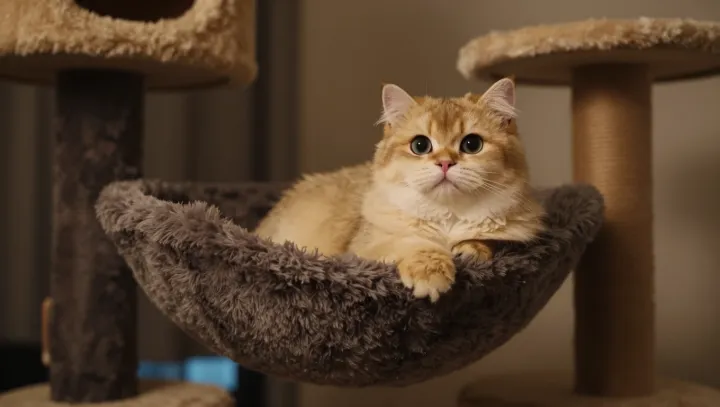
Cats Prefer Stable Resting Spots
A hammock may appear calming, but cats often rest better when they can choose a stable surface with predictable support, balance, warmth, and escape access.
2026-09-29
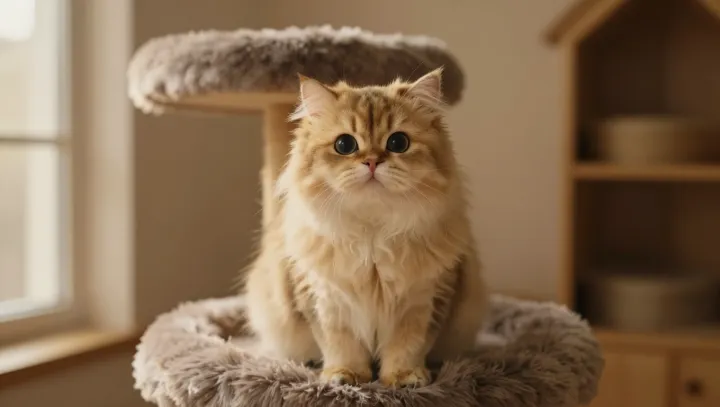
A Cat's Ears Read the Room
A cat's fixed gaze can mask active listening as independently rotating ears gather acoustic cues and help locate faint sounds.
2026-09-29
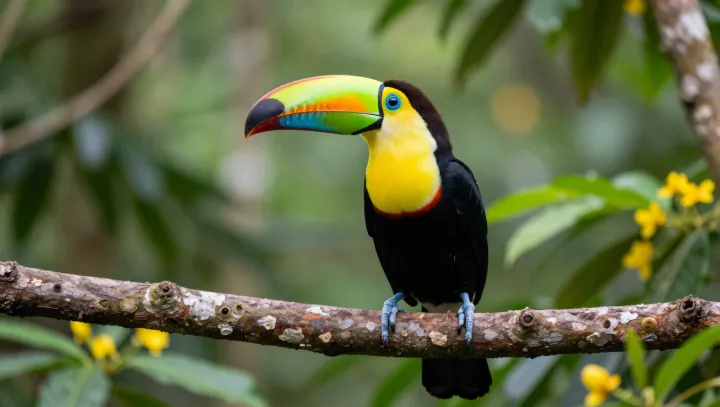
How a Toucan Carries Its Giant Bill
A toucan's oversized bill stays light through a keratin sheath and a honeycomb-like core of trabecular bone that balances stiffness, strength, and low mass.
2026-09-29
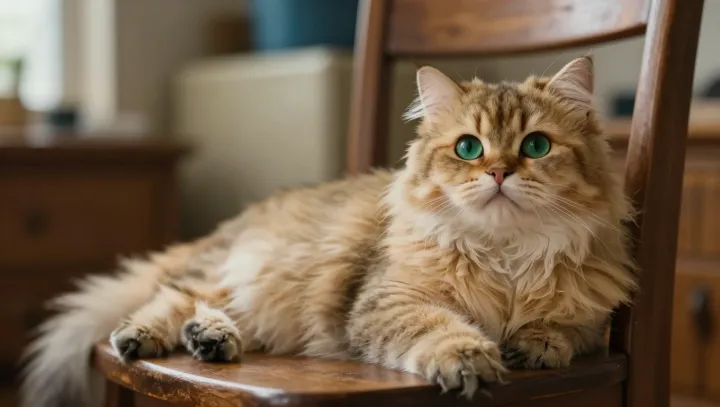
Why Cats Slip Through Tiny Gaps
Cats appear to melt into tight spaces because their flexible spines and muscle-suspended collarbones let their shoulders narrow and their bodies bend around obstacles.
2026-09-29
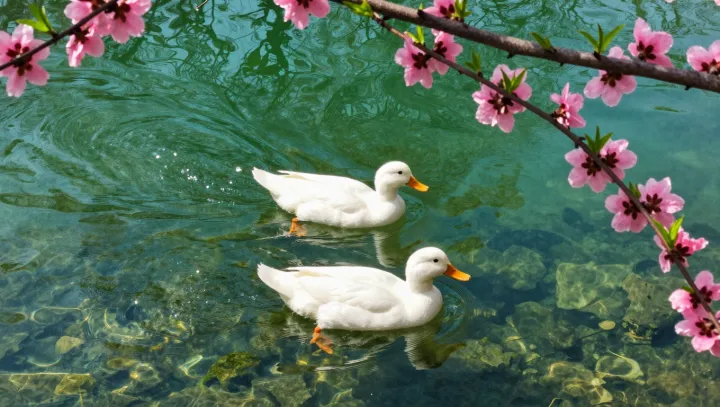
Why a Goose Floats So Easily
A goose floats through a peach-blossom pond because trapped feather air aids buoyancy, while preen oil and feather structure resist wetting and protect insulation.
2026-09-29
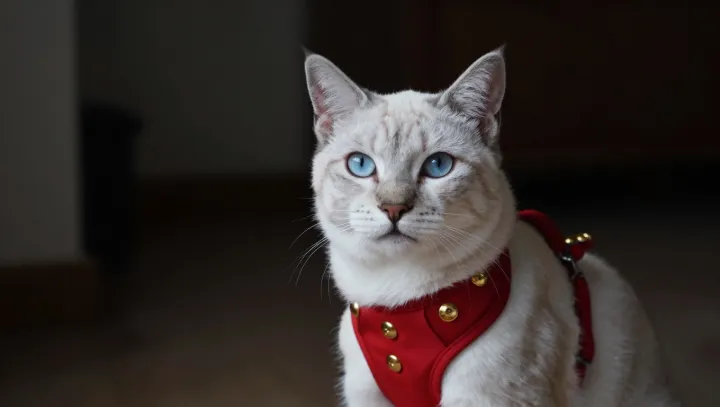
Why Cats Return a Slow Blink
A cat's slow blink can reduce social pressure and invite contact, though context and the animal's choice remain essential.
2026-09-28
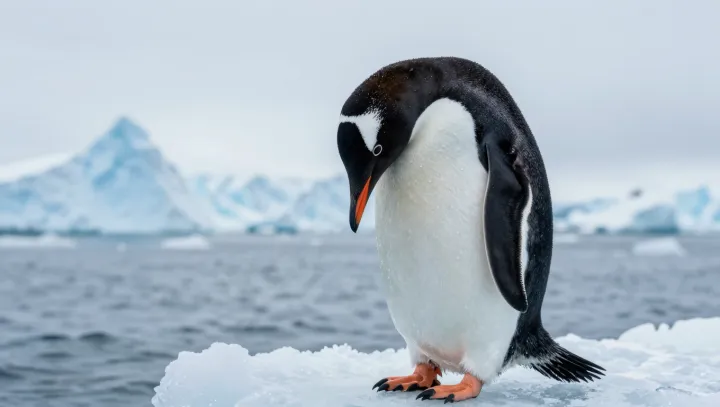
Why Penguins Comb Their Feathers
Penguins use beak combing to spread oil from the uropygial gland, reinforcing water-repellent plumage and preserving insulation in icy water.
2026-09-28
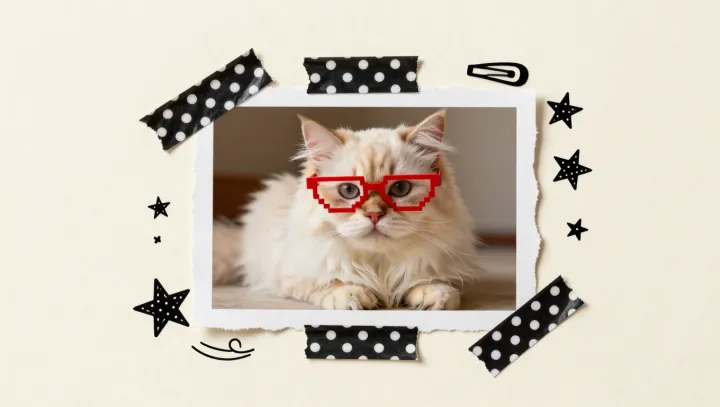
Why a Cat's Red Glasses Fool You
Cats may look scholarly in red glasses, yet their eyes favor motion, contrast, and low-light detection over sharp fine detail.
2026-09-28
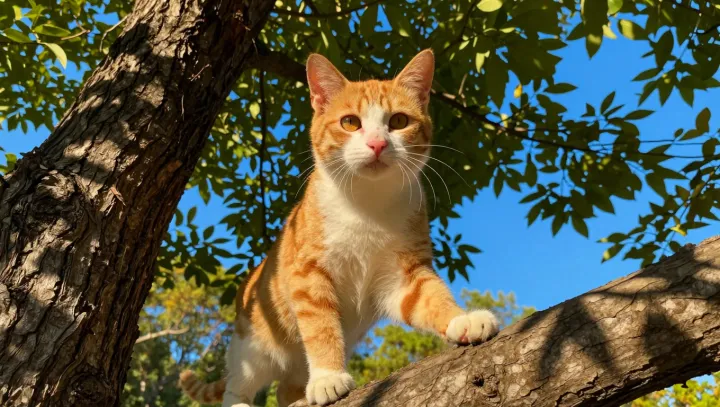
Orange Fur Is No Solar Panel
An orange cat's fur may absorb sunlight, but its trapped air and hair structure slow heat gain and heat loss through insulation, conduction, and convection.
2026-09-28
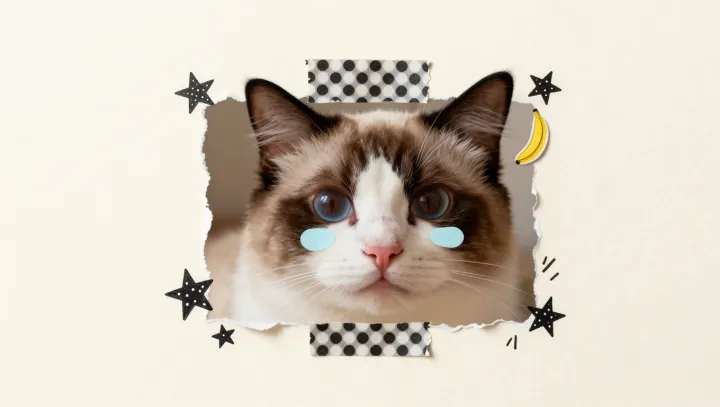
Watery Kitten Eyes Rarely Mean Sadness
Watery eyes in kittens usually reflect irritation, infection, or drainage problems rather than sadness. Persistent discharge, squinting, redness, or cloudiness warrants veterinary care.
2026-09-28
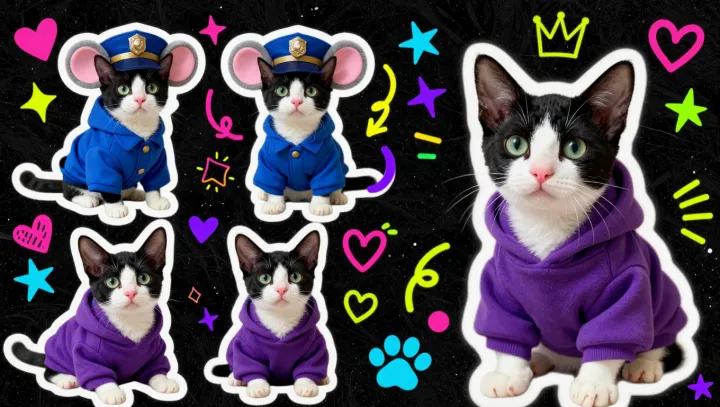
Why Black Fur Makes Cat Stickers Hit Harder
Black fur heightens a cat sticker's impact through luminance contrast, silhouette recognition, and figure-ground separation, proving that fewer colors can create a stronger visual signal.
2026-09-27
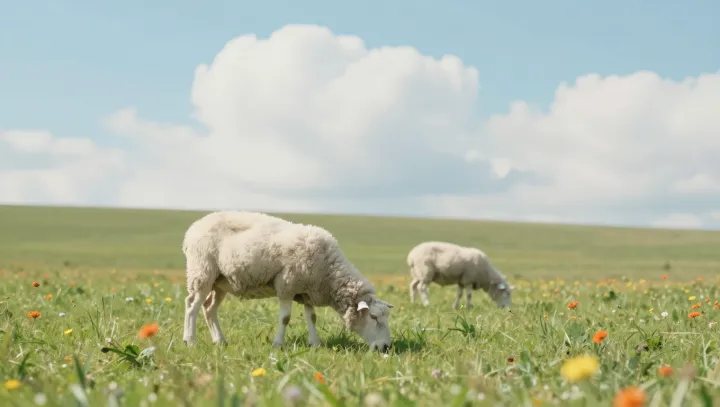
Why Sheep Remember Faces
Sheep retain familiar sheep and human faces because specialized visual circuits and social memory help them track identity, kinship, rank, care, and risk within the flock.
2026-09-24
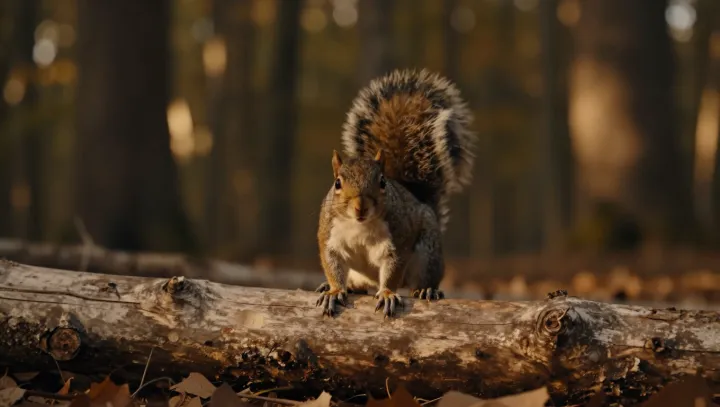
Why Squirrels Scatter Their Food
Scattered food caches are not simple excess: they spread theft, spoilage, and weather risk while relying on spatial memory and scent for recovery.
2026-09-23
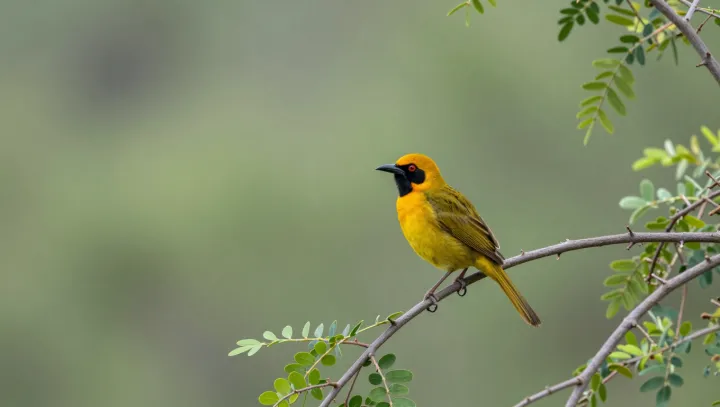
How Weaverbirds Build Hanging Nests
Weaverbirds use their beaks and feet to anchor, loop, and interlace grass, creating a suspended nest strengthened by tension, friction, and shared load.
2026-09-23
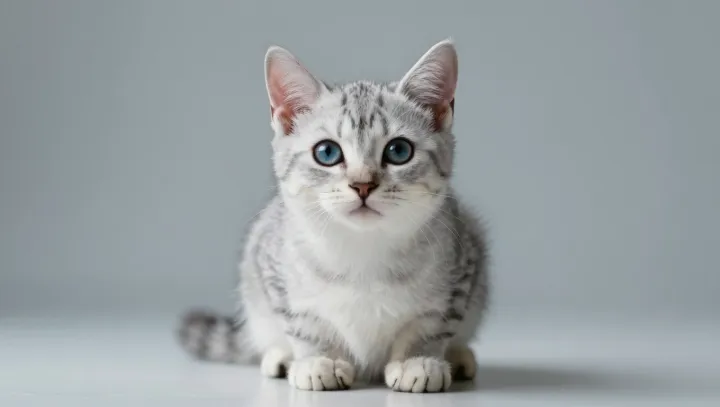
The Working Bloodline of the American Shorthair
The American Shorthair earned its mouser reputation through breeding that favored prey drive, sound bodies, recovery, and tolerance for life around people.
2026-09-23
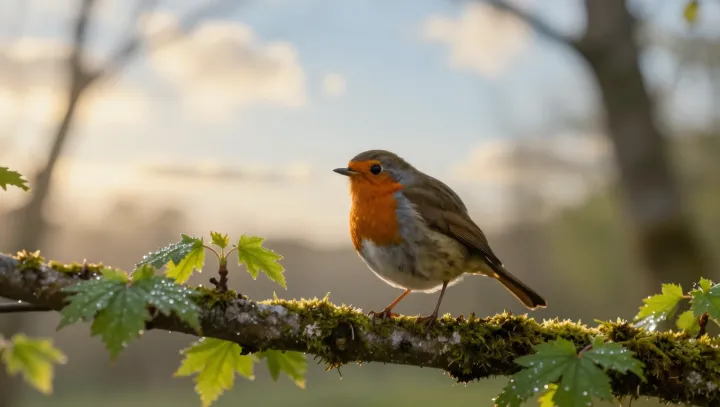
Why a Robin Must Eat Its Orange
Robins do not make the carotenoids behind their orange breasts. Food, absorption, lipoprotein transport, and feather growth determine which pigments reach the plumage.
2026-09-22
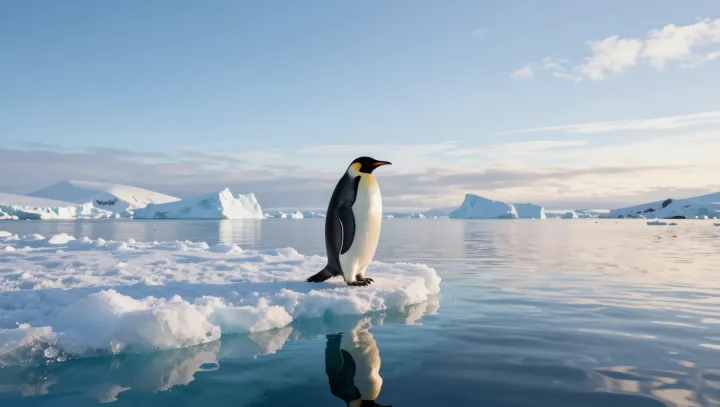
Why a Penguin's Back Runs Warmer
A penguin's black back absorbs more sunlight than its white belly, shaping heat balance through radiative transfer, insulation, wind, and exposure.
2026-09-22
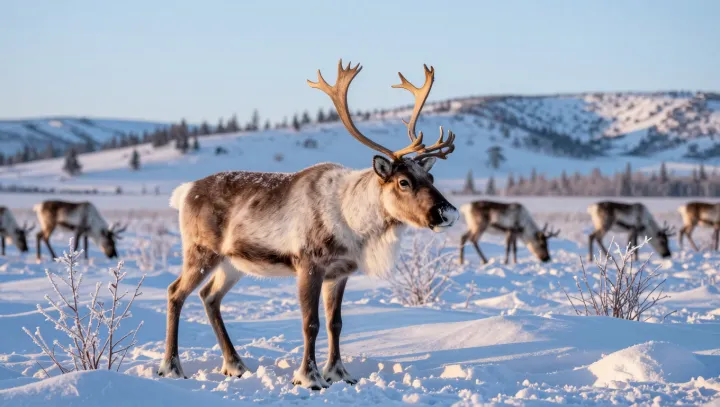
Antlers Set the Winter Order
Oversized antlers can signal fighting ability and condition, helping reindeer claim scarce winter forage while limiting costly physical clashes.
2026-09-22
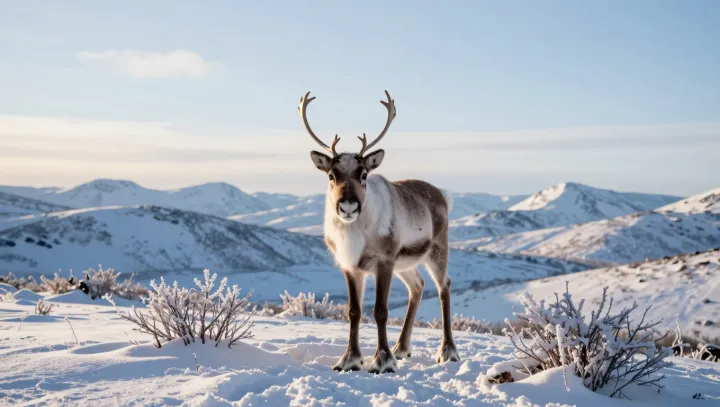
Antlers Decide Winter Meals
Reindeer antlers can secure feeding rights in winter, helping animals defend snow-dug forage from rivals when access matters as much as food supply.
2026-09-22
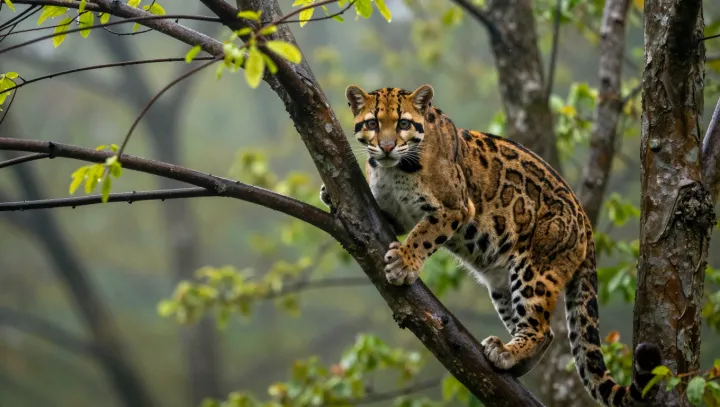
Why Clouded Leopards Disappear
Clouded leopards evade detection through patterned fur, tree-based movement, nocturnal habits, and naturally sparse populations.
2026-09-21