
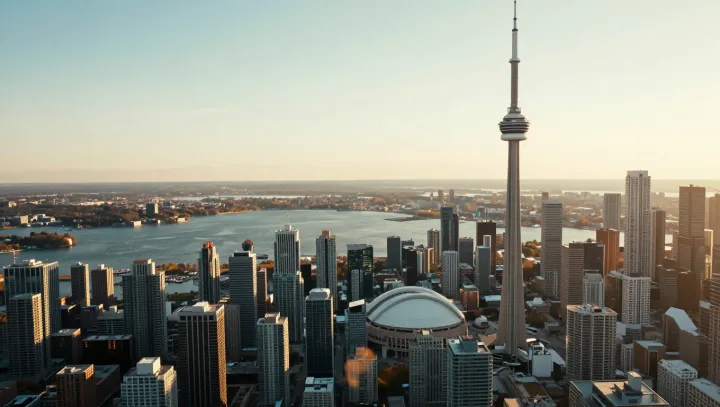
Toronto's Brightest Optical Hour
Toronto's towers seem brightest after sunset because falling sky luminance raises the contrast of lit windows, amplifying perceived brightness without increased electrical output.
2026-09-29
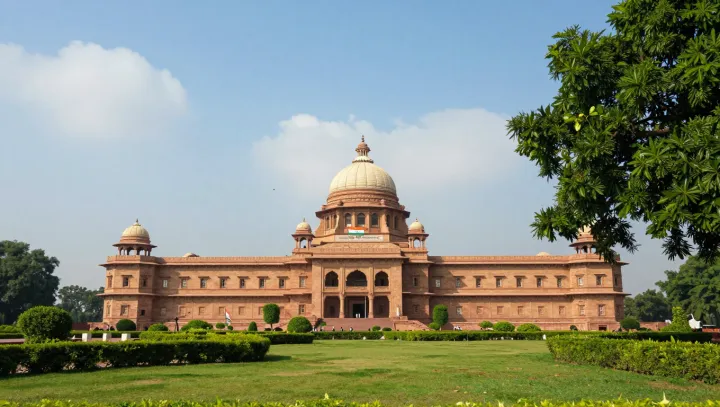
How Courtyards Kept Palace Rooms Cool
Open courtyards cooled palace interiors by combining shade, convective airflow, thermal mass, and nighttime heat release.
2026-09-28
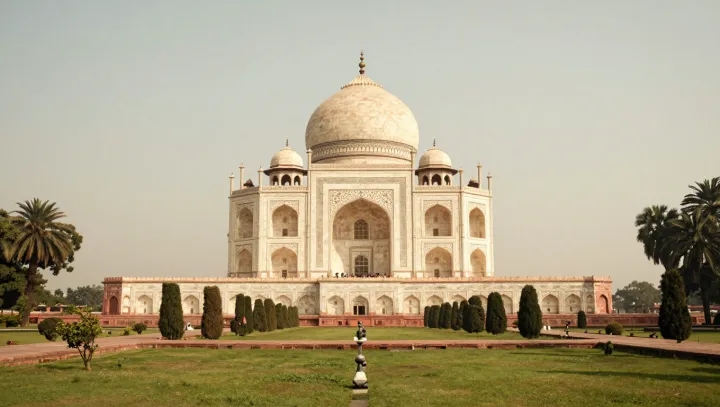
How Stepwells Turned Rain into Refuge
Stepwells used runoff capture, aquifer recharge, depth, stone thermal mass, and evaporation to secure seasonal water and create cooler subterranean refuges.
2026-09-28

Why Thai Streets Feel Like Home
Thai streets combine low-cost commerce, close proximity, and repeated social contact, allowing food, errands, and neighborhood life to occupy the same public space.
2026-09-28
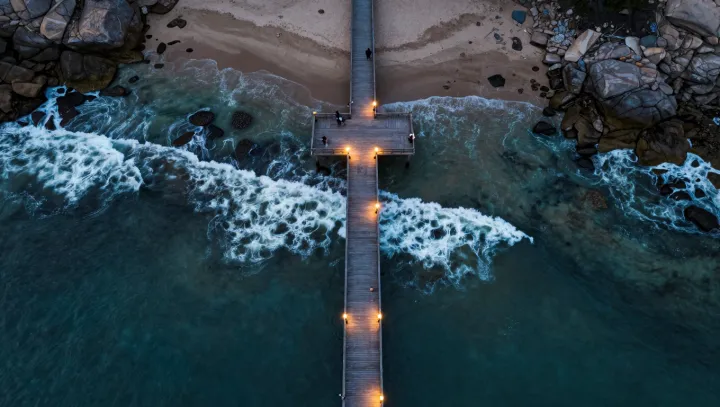
Why the Sea Outshines Shore at Dusk
The sea can seem brighter after sunset because it reflects concentrated sky light toward the eye, while land scatters weak light in many directions.
2026-09-24

How Waves Carve Cliffs and Coves
Wave pressure, abrasion, rock structure, and gravity erode weak zones into coves while resistant strata form headlands and cliffs.
2026-09-24
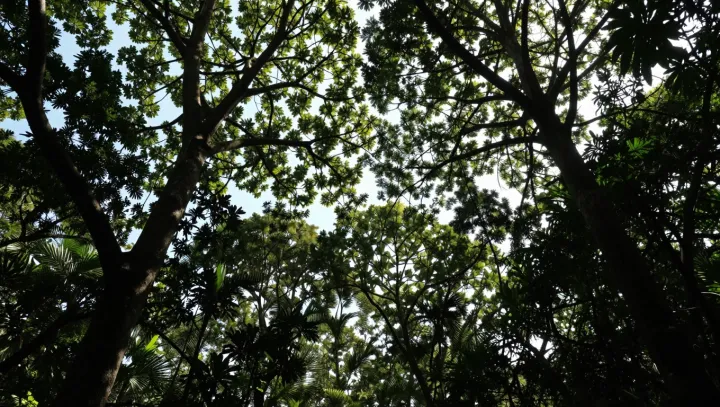
How Leaf Gaps Turn Sunlight Into Images
Small gaps in foliage act as pinhole cameras, using ray geometry to project inverted images of the Sun onto the ground.
2026-09-23
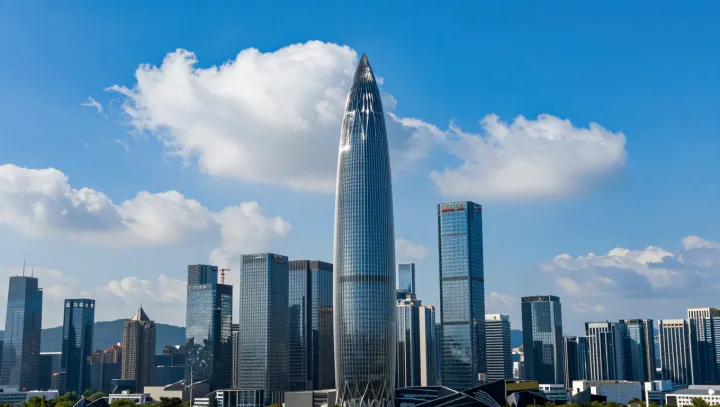
What a Building Reveals in One Frame
Rust, masonry, joints, windows, and repairs turn a building facade into evidence of climate pressure, construction methods, regulation, and changing civic priorities.
2026-09-23
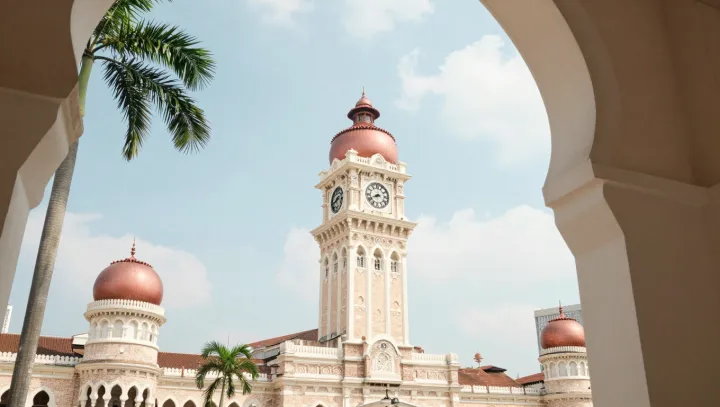
Why Archways Pause the Mind
Archways can trigger event boundaries, prompting context updating and a brief shift in attention that makes a crossing feel like a pause in time.
2026-09-23

Why Quiet Islands Restore Attention
A quiet island may restore attention because its bounded horizon and limited sensory input reduce cognitive load and the constant need to scan, sort, and suppress competing signals.
2026-09-23
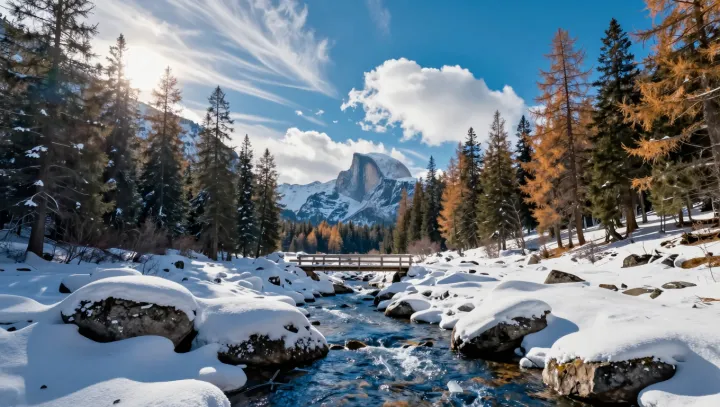
Why Snowbound Streams Stay Open
Open streams endure cold spells through depth, thermal inertia, latent heat, bed sediments, and groundwater. Flow helps, but it cannot prevent freezing by itself.
2026-09-22
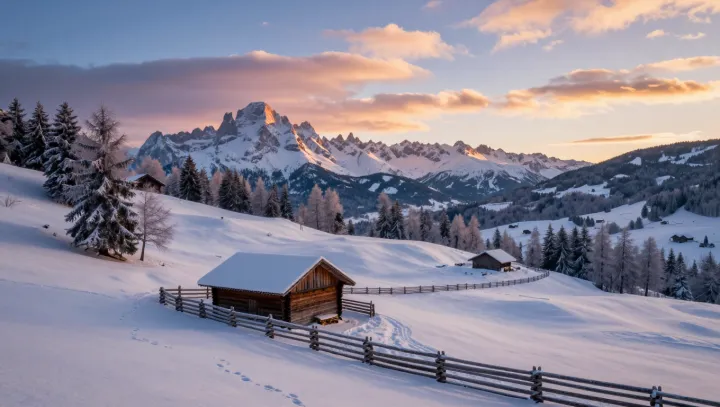
Why Sunset Snow Turns Gold
Low-angle sunlight loses blue wavelengths in the atmosphere, turning peaks gold, while shaded cabins reflect blue-rich skylight.
2026-09-22
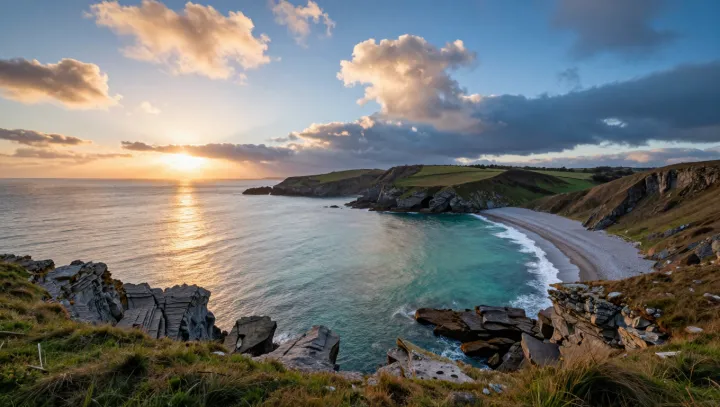
Why Sunset Makes the Sea Look Gold
The sea appears golden at sunset because low-angle sunlight reflects toward the eye, while atmospheric scattering warms the incoming beam.
2026-09-22
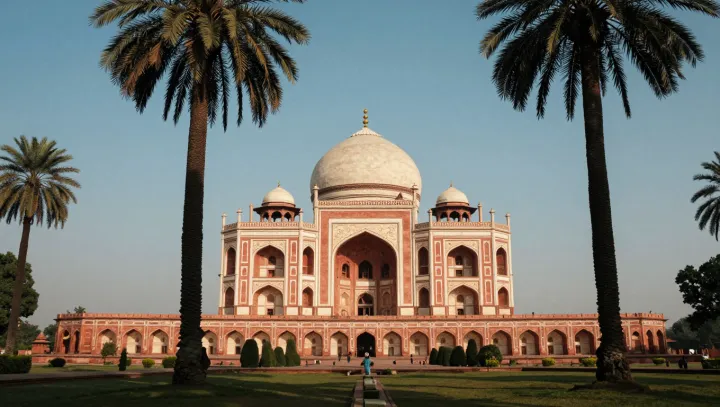
Why a Mughal Tomb Speaks Two Languages
A Mughal tomb fuses Persian garden order with Indian sandstone and marble because empire needed ritual, climate-aware construction, and a visible claim to shared authority.
2026-09-22
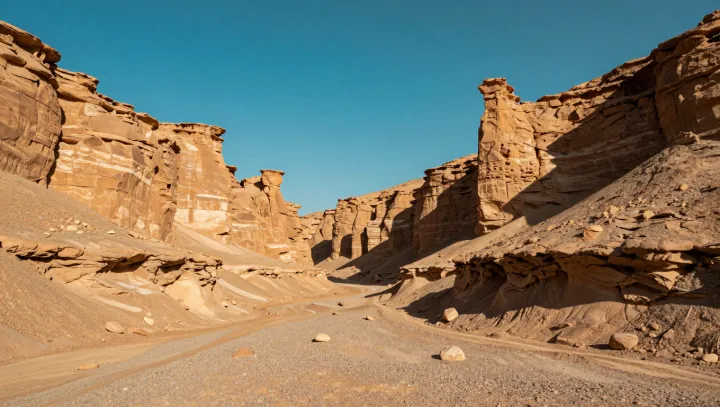
Water Carves the Desert's Deepest Cuts
Wind may scour desert cliffs, but concentrated runoff, abrasion, and collapse often carve their deepest channels.
2026-09-21
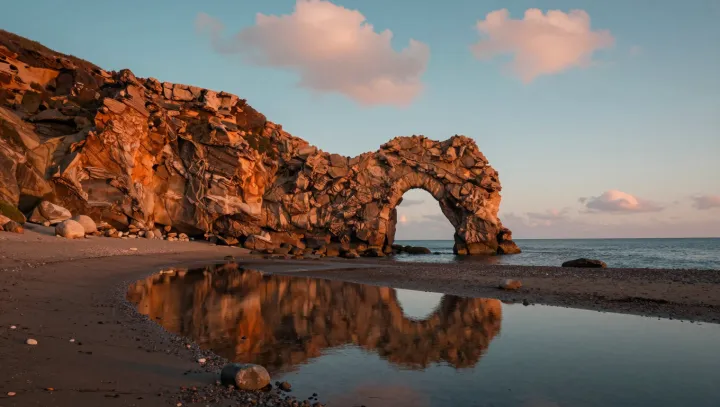
Why an Unmarked Sea Arch Holds Light
Photographers value an unmarked sea arch for its exposed strata, reflective tidal pools, and weather-driven changes in color, contrast, and light.
2026-09-21
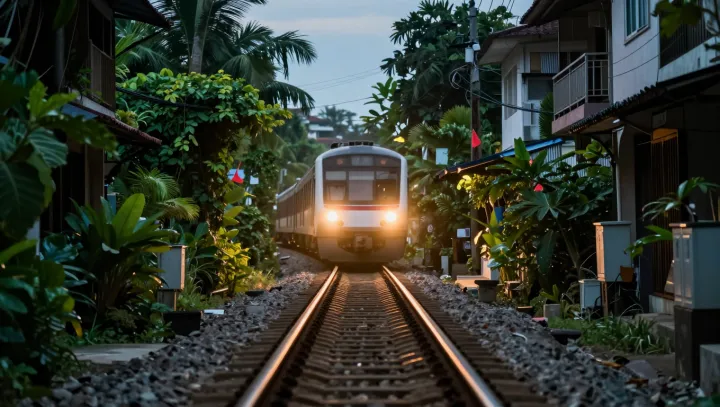
How Railways Fit City Streets
Street-running trains rely on vehicle dynamics, protected signaling, specialized track, and strict operating limits to move railway-scale loads through city streets.
2026-09-21
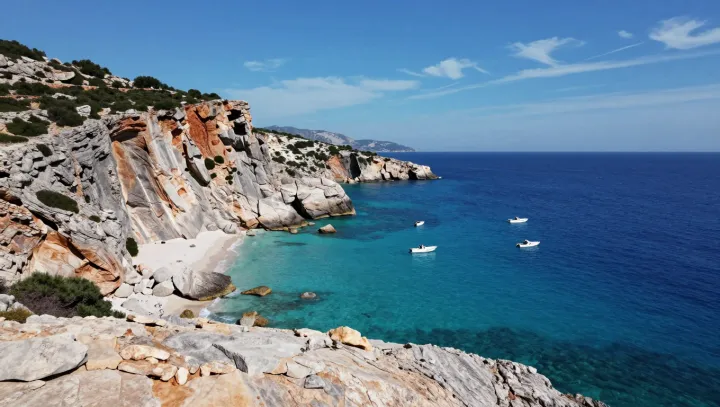
Why One Story Beats Data
Memorable anecdotes feel persuasive because recall, emotion, and narrative coherence can overpower statistical evidence and base rates.
2026-09-21
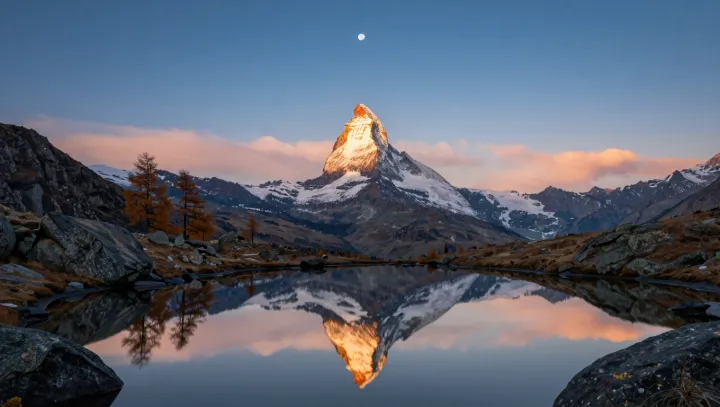
The Alpine Basin's Hidden Record
An apparently untouched alpine lake preserves evidence of glacial carving, avalanche deposits, erosion, and continuing geological change.
2026-09-18
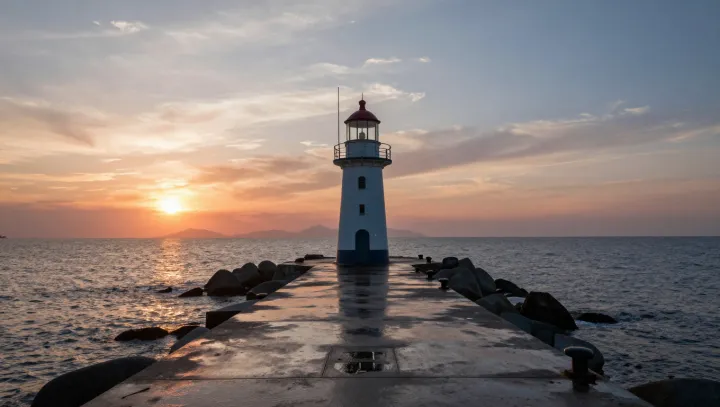
The Jetty's Sunset Illusion
A narrow jetty does not alter a sunset's color. Its perspective lines, wet-stone reflections, and dark edges heighten visual contrast, making the horizon appear more vivid.
2026-09-18