
Top News
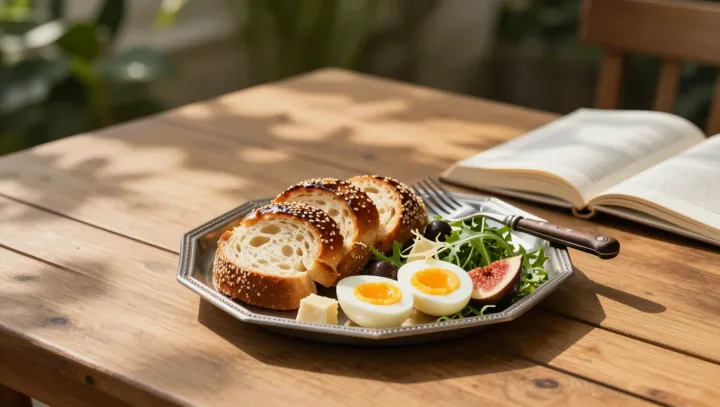
The Missing Half of Egg and Toast
Eggs and bread provide protein and energy, but fruit and leafy greens add dietary fiber and micronutrients that broaden the meal's nutritional value.
2026-09-29

Cats Prefer Stable Resting Spots
A hammock may appear calming, but cats often rest better when they can choose a stable surface with predictable support, balance, warmth, and escape access.
2026-09-29

Why Celebration Can Feel Explosive
Long restraint does not store emotion. It changes attention, bodily regulation, expectation, and the meaning assigned to a moment of public release.
2026-09-29
Travel

Toronto's Brightest Optical Hour
Toronto's towers seem brightest after sunset because falling sky luminance raises the contrast of lit windows, amplifying perceived brightness without increased electrical output.
2026-09-29
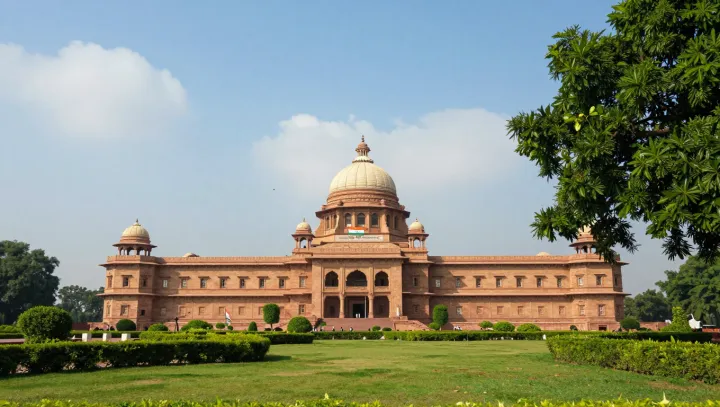
How Courtyards Kept Palace Rooms Cool
Open courtyards cooled palace interiors by combining shade, convective airflow, thermal mass, and nighttime heat release.
2026-09-28
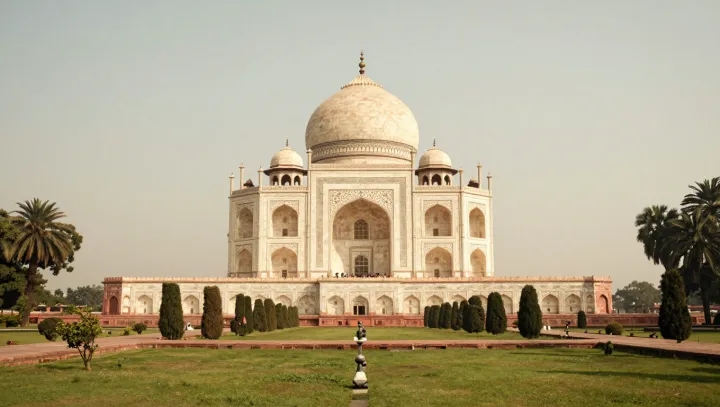
How Stepwells Turned Rain into Refuge
Stepwells used runoff capture, aquifer recharge, depth, stone thermal mass, and evaporation to secure seasonal water and create cooler subterranean refuges.
2026-09-28
Art
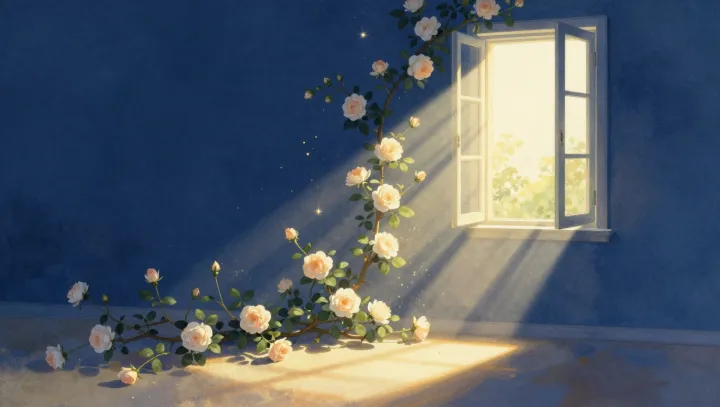
How One Beam Makes Images Cinematic
A focused beam directs the eye, heightens luminance contrast, and uses shadow to suggest depth, distance, and unseen space.
2026-09-29
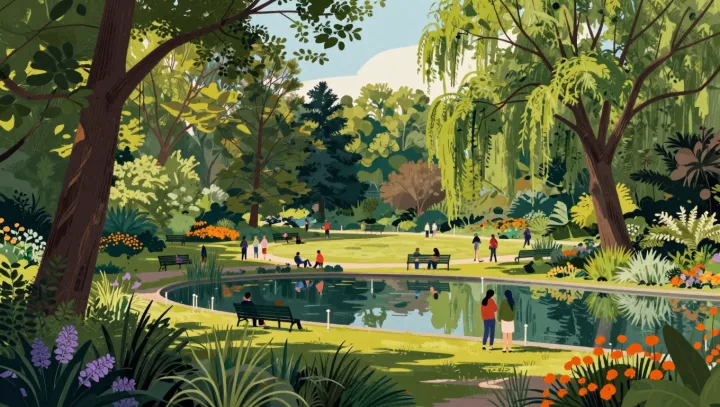
Why a Park Walk Clears the Mind
A short park walk may ease cognitive fatigue by shifting the brain from effortful executive control toward involuntary attention, reducing rumination and supporting mood.
2026-09-29
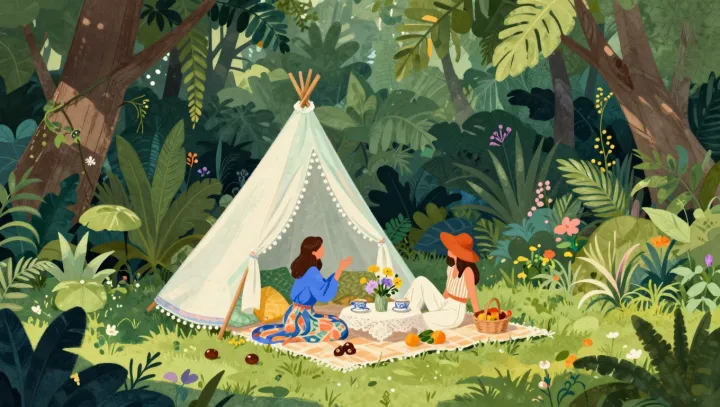
Tent Fabric Cannot Stop Night Heat Loss
Thin tent fabric blocks some wind but provides little insulation against radiative cooling, convection, and conduction after dark.
2026-09-29
Vehicle
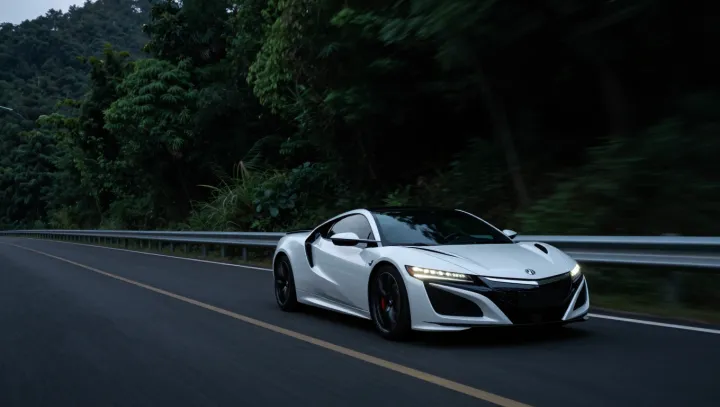
Electric Cars Need More Than Batteries
Electric vehicles cut emissions only when cleaner electricity, durable batteries, and material recovery expand faster than power and mineral demand.
2026-09-29
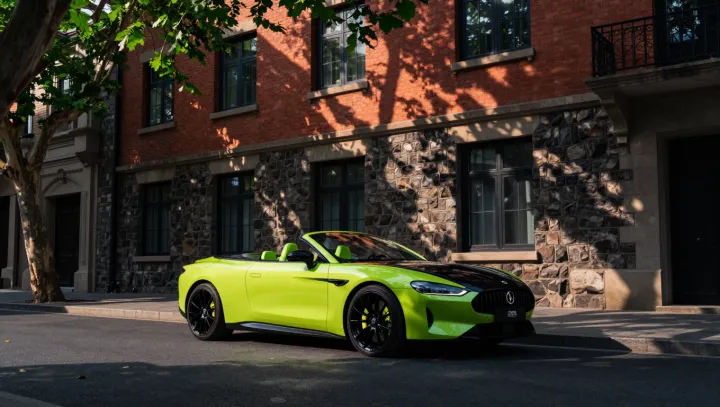
Why Green Cars Look Electric
Curved automotive panels intensify green by creating moving contrasts between specular highlights, shade, and reflected light.
2026-09-28
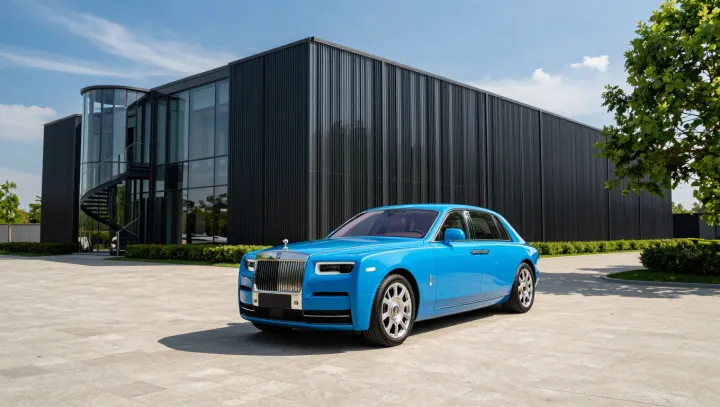
Why a Tall Front End Signals Luxury
A tall front end creates luxury by setting the cabin behind a long visual forecourt, using proportion and packaging cues rather than sheer size.
2026-09-28
Animals

A Cat's Ears Read the Room
A cat's fixed gaze can mask active listening as independently rotating ears gather acoustic cues and help locate faint sounds.
2026-09-29
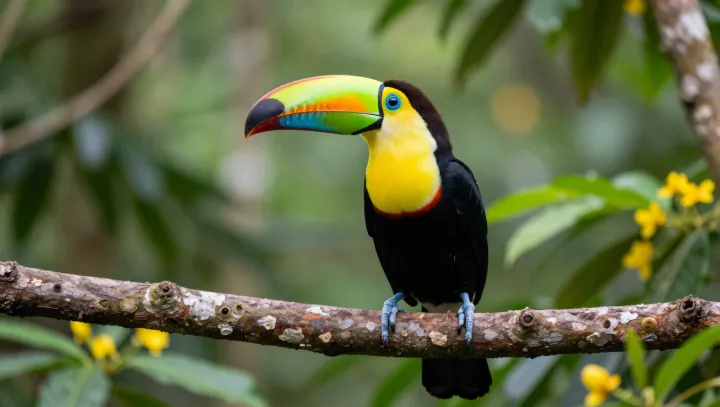
How a Toucan Carries Its Giant Bill
A toucan's oversized bill stays light through a keratin sheath and a honeycomb-like core of trabecular bone that balances stiffness, strength, and low mass.
2026-09-29

Why Cats Slip Through Tiny Gaps
Cats appear to melt into tight spaces because their flexible spines and muscle-suspended collarbones let their shoulders narrow and their bodies bend around obstacles.
2026-09-29
Lifestyle
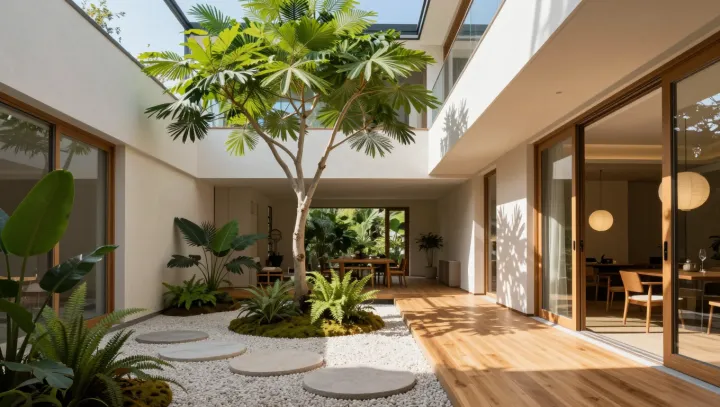
Why Courtyards Bring Trees Home
Courtyard trees do more than decorate: shade, daylight, airflow, and thermal mass can make compact homes cooler, brighter, and visually larger.
2026-09-29

Green Views, Not Oxygen
Plants rarely alter room oxygen enough to explain their appeal, but visible greenery can support attention recovery and lower stress responses.
2026-09-29
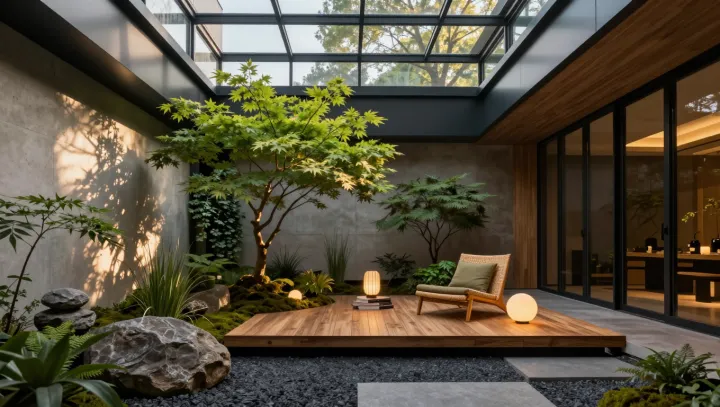
Why Small Terraces Feel Larger
Daylight, foliage, and stone calm small outdoor spaces by improving depth cues, easing attention demand, and creating stable thermal and visual anchors.
2026-09-29
Food
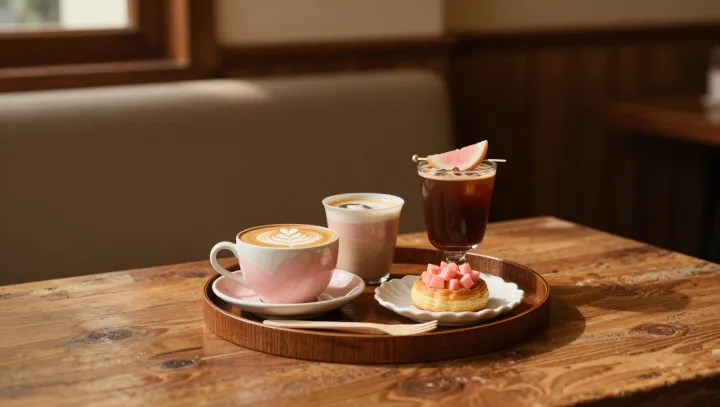
Why Coffee and Dessert Work Together
Sweetness can soften perceived coffee bitterness, while shared aromas help coffee and dessert reveal more flavor in each other.
2026-09-29
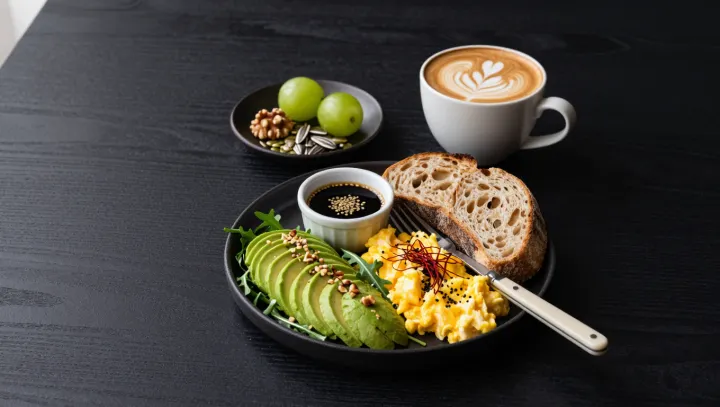
Why Avocado Toast Keeps You Full
Fat, protein, and fiber slow digestion and strengthen satiety signals, making avocado toast with eggs more filling than a quick-hit sugary breakfast.
2026-09-29
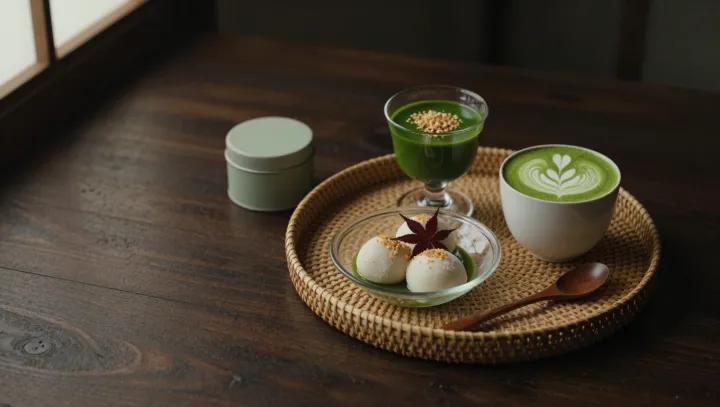
Why Matcha Desserts Taste Creamy
Finely ground matcha delivers chlorophyll, catechins, caffeine, and L-theanine together, while dessert fats soften bitterness and create its distinctive creamy contrast.
2026-09-29
Science
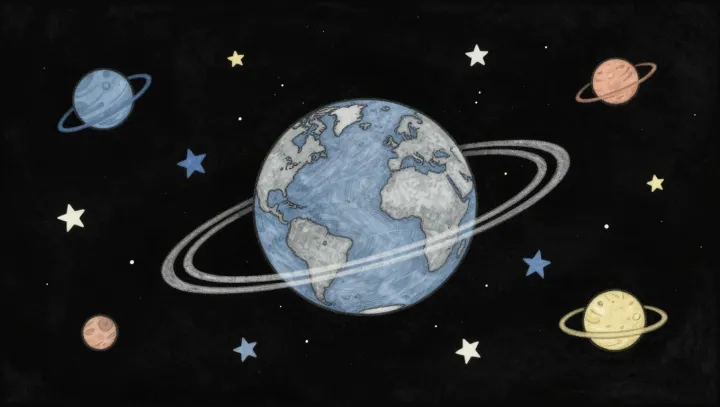
The Flat-Dome Illusion of Night
The night sky appears flat because human vision reads distant light as angular projection, masking distances that range from nearby stars to remote galaxies.
2026-09-29

Why 10,000-Year Events Can Repeat
A 10,000-year event describes annual probability, not a schedule. Rare events can occur close together because return periods are statistical averages, not waiting-time guarantees.
2026-09-29
Fog Does Not Part for Sunbeams
Foggy shafts are visible because suspended water droplets scatter sunlight toward the eye. Mie scattering, extinction, contrast, and viewing geometry shape the effect.
2026-09-28
Sport

Why Elite Dribblers Let the Ball Run
Elite dribbling relies on stride planning, body balance, and touch placement rather than keeping the ball directly underfoot.
2026-09-29

Why Veteran Climbers Turn Back
Experienced climbers often retreat near the summit because exhaustion, hypoxia, weather, and descent hazards can make reaching the top a poor trade.
2026-09-29

Why Germany Plays in White
Germany's white football shirt reflects black-and-white Prussian sporting tradition, while black-red-gold belongs to a separate national and civic story.
2026-09-28